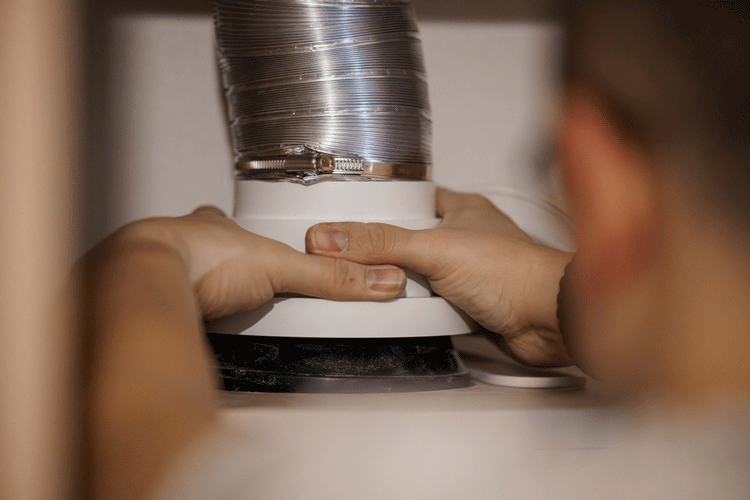
Indoor air quality plays a critical role in the comfort, health, and overall safety of your home. While many homeowners focus on air filters or HVAC performance, one of the most overlooked contributors to poor indoor air quality is the condition of the air duct system. Air ducts quietly circulate air throughout your home, and when they are compromised, they can spread contaminants into every living space.
Understanding the warning signs of problematic air ducts allows homeowners to take proactive steps before minor issues escalate into serious health or efficiency concerns. Below are Air Duct Warning Signs indicators that your that may be compromising your indoor air quality.
1. Excessive Dust Buildup Throughout the Home
If dust seems to reappear shortly after cleaning, your air ducts may be circulating airborne contaminants. While some dust accumulation is normal, excessive buildup on furniture, vents, and surfaces often indicates that dust, debris, and particulate matter are being pulled into the duct system and redistributed through your home.
Dirty ductwork can harbor dust mites, pollen, pet dander, and other allergens. Every time your HVAC system runs, these particles may be released into the air, lowering indoor air quality and aggravating allergies or respiratory conditions.
2. Persistent Musty or Unpleasant Odors
Odors that linger despite cleaning or air fresheners are a common sign of duct-related issues. Musty smells often indicate mold or mildew growth inside the ductwork, particularly in homes with high humidity levels. Over time, moisture can accumulate inside ducts due to condensation, leaks, or insufficient insulation.
When mold spores circulate through the HVAC system, they can negatively impact indoor air quality and pose health risks, especially for individuals with asthma, allergies, or compromised immune systems. Any persistent odor coming from vents should be investigated promptly.
3. Increased Allergy or Respiratory Symptoms Indoors
If you or your family experience increased sneezing, coughing, congestion, or headaches while indoors, compromised air ducts may be a contributing factor. Pollutants trapped in dirty ducts can continuously circulate throughout the home, making indoor air more irritating than outdoor air.
Poor indoor air quality caused by contaminated ductwork may trigger allergy flare-ups or worsen respiratory conditions. If symptoms improve when you leave the home and return upon re-entry, your duct system may be affecting your air quality.
4. Uneven Airflow and Inconsistent Temperatures
Compromised duct systems do not only affect air quality—they also impact airflow efficiency. Blockages caused by dust buildup, debris, or damaged duct sections can restrict airflow to certain rooms. As a result, some areas of the home may feel stuffy, warmer, or colder than others.
Restricted airflow forces your HVAC system to work harder, increasing energy consumption while reducing overall comfort. Addressing duct issues improves both indoor air quality and system performance.
5. Visible Mold or Debris Around Vents
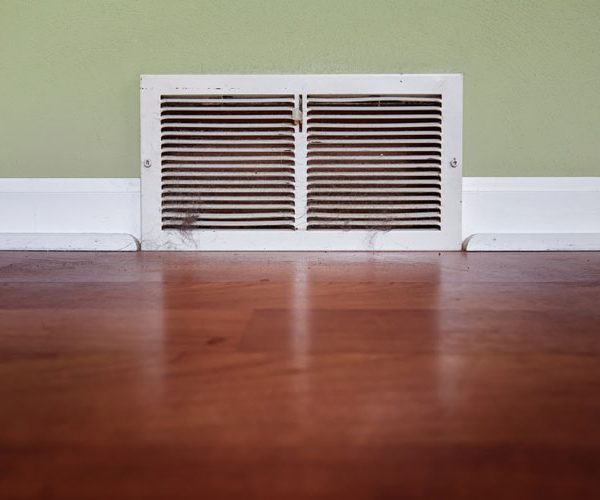
One of the most obvious warning signs is visible contamination around supply or return vents. Dark residue, dust accumulation, or signs of mold growth near vents may indicate internal duct contamination.
Because air ducts are hidden behind walls and ceilings, visible signs near vents often represent a larger unseen problem within the system. Ignoring these signs can allow contaminants to spread deeper into the home’s air supply.
Why Compromised Air Ducts Matter
Air ducts act as the delivery system for the air you breathe every day. When compromised, they can introduce harmful pollutants into your living environment. Over time, this may lead to reduced indoor comfort, increased HVAC strain, higher utility costs, and potential health risks.
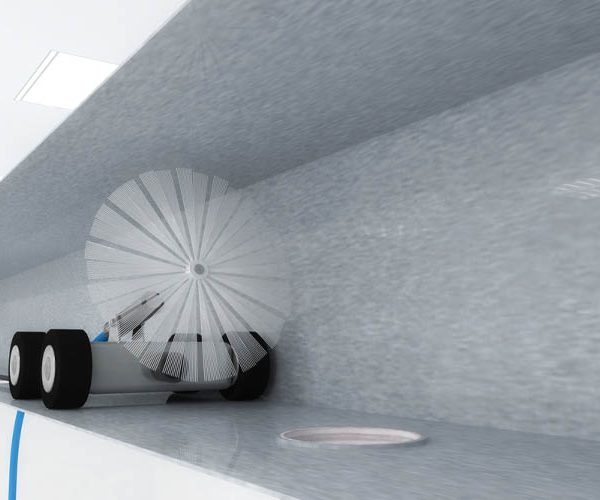
Professional inspection and cleaning services help identify hidden duct issues, remove contaminants, and restore proper airflow. Maintaining clean, properly sealed ducts supports healthier indoor air quality and extends the life of your HVAC system.
How Professional Air Duct Services Improve Indoor Air Quality
A professional air duct evaluation assesses contamination levels, airflow efficiency, and potential moisture issues. Cleaning removes built-up debris, allergens, and biological contaminants, while sealing repairs help prevent future infiltration of pollutants.
For homeowners concerned about air quality, addressing ductwork is a critical step toward creating a cleaner, healthier indoor environment.
Frequently Asked Questions – Air Duct Warning Signs
1. How often should air ducts be cleaned?
Air ducts are typically recommended for cleaning every three to five years, or sooner if there are signs of contamination, mold, or excessive dust.
2. Can dirty air ducts affect HVAC efficiency?
Yes. Blocked or contaminated ducts restrict airflow, forcing the HVAC system to work harder and potentially increasing energy costs.
3. Are air duct contaminants harmful to health?
Dust, allergens, mold spores, and bacteria inside ducts can negatively impact indoor air quality and aggravate respiratory conditions.
4. How can I tell if my air ducts need professional attention?
Persistent odors, visible debris near vents, uneven airflow, or increased allergy symptoms are common indicators that professional inspection is needed.